Mobile Scaffolding
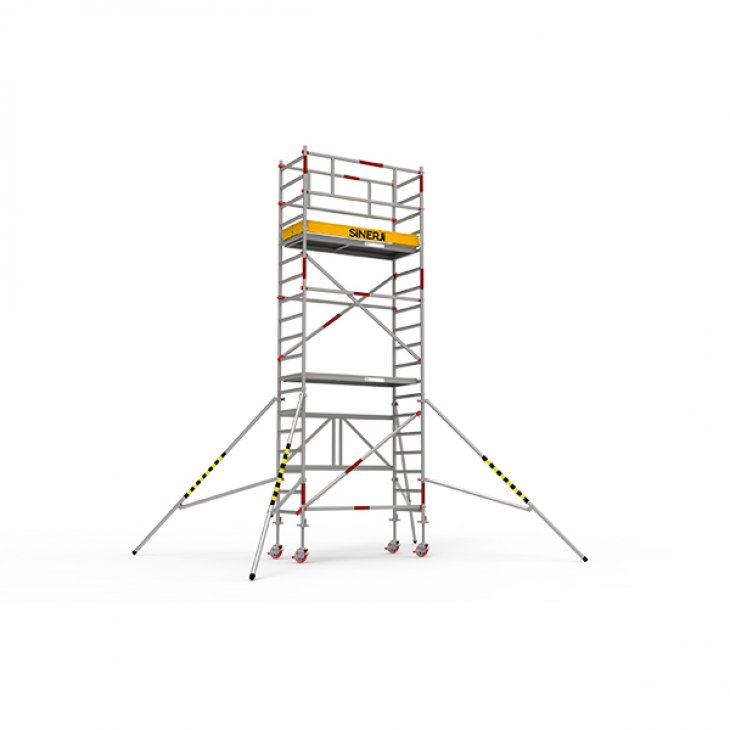
S Pro Aluminum Mobile Scaffold is a high-end scaffolding system specifically developed to provide lightweight, high-durability, and fully modular access solutions required by professional users in their workspaces. Thanks to its innovative aluminum body structure that eliminates the weight, transportation, and installation difficulties of traditional steel scaffolds, it provides users with the advantages of both easy portability and extremely fast assembly. Offering high load capacity without compromising occupational safety standards, this system creates a safe, comfortable, and uninterrupted workspace on construction sites and in industrial facilities. Appealing to a wide range of applications from narrow spaces to massive projects requiring high access, the S Pro series ranks among the indispensable equipment of modern industry.
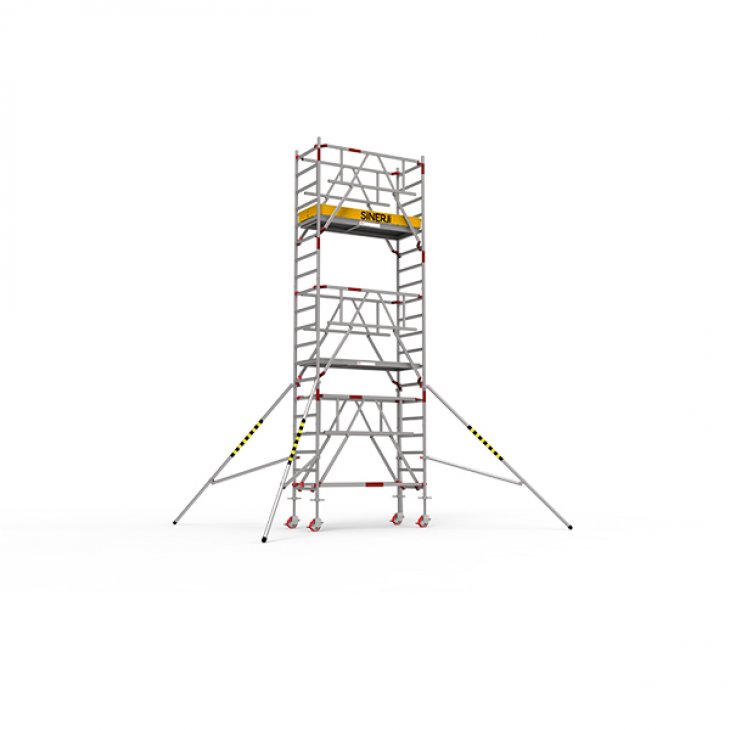
S Pro Safe Aluminum Mobile Scaffold is a professional access solution belonging to Sinerji Scaffolding's superior aluminum mobile scaffold product group, developed entirely with a focus on safety and in compliance with the highest quality standards. Designed to meet the working-at-height requirements of the modern construction sector and industrial facilities, this system draws attention with its lightweight, durable, and modular structure. Thanks to its innovative architecture that eliminates the weight and installation difficulties brought by traditional scaffolds, it offers an uninterrupted, safe, and comfortable working environment in projects. Increasing operational efficiency in both interior and exterior projects, S Pro Safe is the first choice of professionals who place occupational safety and worker health above everything else.

Rise Aluminum Mobile Scaffold is a high-performance, portable scaffolding system developed to deliver maximum safety, ergonomics, and user comfort together in modern construction projects with intensive vertical circulation, industrial facilities, and detailed maintenance and repair works. Thanks to the engineering innovations it offers compared to traditional scaffolding solutions, its lightweight construction material, and safety measures compliant with international standards, it ranks among the indispensable equipment of construction sites. Designed to keep personnel safety at the highest level while simultaneously increasing work efficiency, this system is engineered to fully meet all the requirements of professional projects.
Aluminum Mobile Scaffolding
Using the correct working platform in high-level maintenance, assembly, construction, and technical applications is crucial for both operational efficiency and work safety. Aluminum mobile scaffolding is a practical access solution for professional high-level working applications with its wheeled and modular structure that can be reused at different work points.
The lightweight aluminum construction makes it easy to transport system components and reposition them in different workspaces. This feature provides a distinct advantage, especially in projects requiring continuous access to changing work points in factories, industrial facilities, warehouses, construction sites, and high-ceilinged structures.
The Sinerji Scaffolding mobile product group includes S Pro, S Pro Safe, and Rise systems tailored to different working conditions. When choosing the right system, not only the height to be reached but also the platform size, workspace, ground conditions, equipment to be used, and the nature of the application should be evaluated together.
What is Aluminum Mobile Scaffolding?
Aluminum mobile scaffolding is a scaffolding solution whose load-bearing structure consists mainly of aluminum components, featuring a working platform and capable of being transported to different points under suitable conditions thanks to its wheel system.
Unlike fixed scaffolding, it is possible to move the system to another workspace after work is completed without dismantling it from its current location, or by reconfiguring it depending on the system design.
For this reason, mobile scaffolding systems stand out in professional applications where the work point changes frequently.
A typical mobile scaffolding system may consist of the following components:
-
Load-bearing vertical frames
-
Horizontal and diagonal connection elements
-
Working platforms
-
Guardrail systems
-
Access ladders
-
Wheels and braking mechanisms
-
Stabilizing support elements
-
Connection and fastening parts
The exact components of the system may vary depending on the model used, working height, and configuration.
Why Choose Aluminum Mobile Scaffolding?
In high-level working systems, material ion directly affects the weight, portability, and usage style of the system. The ability of aluminum to combine low weight with structural durability creates a significant advantage for mobile applications.
Lightweight and Portable Structure
In mobile systems, not only setting up the equipment but also moving it within the worksite is important. The relatively lightweight nature of aluminum components facilitates the transportation of system parts and the management of installation operations. This feature contributes to planning workflow more efficiently, especially for teams performing maintenance at different points within the same facility.
Modular Usage Opportunity
The height, width, and access conditions of every workspace are not the same. Modular aluminum mobile scaffolding systems can be configured according to different work requirements within the technical limits of the product. This allows creating configurations suitable for different projects instead of being tied to a single usage scenario.
Ease of Movement Between Work Points
The wheeled substructure makes it easy to transport the mobile scaffolding to different work points on suitable surfaces. For example, if maintenance of lighting systems is being carried out in a large production facility, the same working platform may be needed at different points. Similarly, the workspace may change constantly during the control of electrical, mechanical, or ventilation installations inside a warehouse. Mobile systems can serve as an alternative to fixed access solutions in such operations.
Suitability for Professional and Repetitive Uses
The need to work at heights in many businesses is not a one-time occurrence. Maintenance operations can be repeated at certain intervals in factories, logistics centers, shopping areas, production facilities, and large commercial structures. Therefore, a correctly chosen mobile working platform can form an access solution that can be reused in the business's various maintenance and technical service activities.
Where is Aluminum Mobile Scaffolding Used?
The application areas of mobile systems are not limited to construction sites. They can be used for various purposes in many sectors requiring safe access to high points.
The main application areas are:
-
Construction and site applications
-
Industrial facilities
-
Factory maintenance work
-
Warehouse and logistics centers
-
Electrical installation applications
-
Mechanical installation work
-
Ventilation and air conditioning systems
-
Lighting installation and maintenance
-
Painting and surface applications
-
Facade works
-
Interior mounting jobs
-
Maintenance work on high-ceilinged structures
-
Technical service operations
Use in Factories and Industrial Facilities
In production facilities, pipelines, cable trays, lighting systems, ventilation ducts, and various technical equipment may be located at high points. When the workspace needs to be moved to different sections, using mobile systems can provide operational convenience.
Use in Warehouse and Logistics Areas
High access may be required for the maintenance of electrical installations, fire systems, camera systems, or lighting equipment in high-ceilinged warehouses. Scaffolding with a wheeled structure can be used by moving them to different corridors or zones under suitable working conditions.
Use in Construction and Assembly Jobs
In interior finishing works, mechanical assembly, electrical applications, painting, and similar processes, the work point can change throughout the project. In such applications, mobile systems can allow the same equipment to be used at different points.
What to Consider When Choosing Mobile Scaffolding?
Choosing the right mobile scaffolding should not be done solely by looking at the maximum height of the product. The usage scenario must be evaluated as a whole.
Working Height
First, the height of the point to be reached must be determined. Platform height and working height are not the same concept here. The measurements specified in the technical documents of the product must be examined, and the required access must be determined accordingly.
Platform Size
The nature of the work to be performed on the platform is also important. Appropriate platform size must be ed by considering the user's movement area, the equipment to be used in the work, and the application method.
Indoor or Outdoor Use
The environment where the mobile scaffolding will be used can have a direct impact on the ion. The environmental conditions of work performed on a flat factory floor indoors will differ from applications carried out in an open area. Ground and weather conditions must also be evaluated for outdoor applications.
Ground Conditions
The suitability of the surface where wheeled systems will be used is extremely important. Slopes, surface irregularities, and obstacles in the workspace can affect the positioning of the system. The working area must be evaluated before installation.
Load Capacity
The load created by not only the workers but also the equipment and materials used on the platform must be taken into account. The permitted load values specified by the manufacturer must not be exceeded.
Access Method
How to access the working platform is another factor that needs to be evaluated in product ion. Especially in higher systems, the transition structure between platforms and ladder design can directly affect the usage style.
What to Consider for Aluminum Mobile Scaffolding Safety?
In high-level working equipment, correct installation and correct use of the system are as important as product quality. Before use, generally:
-
working ground,
-
carrying frames,
-
cross braces,
-
platforms,
-
guardrail system,
-
wheels,
-
braking mechanisms,
-
connection points,
-
balance elements
must be checked. The system must be set up in accordance with the manufacturer's installation and operating instructions. The fact that the mobile scaffolding has wheels does not mean it can be moved in an uncontrolled manner during work. The system brought to the working position must be fixed in accordance with manufacturer instructions and necessary safety checks must be performed. In addition, unauthorized modifications not foreseen by the manufacturer should not be made to the system, and different system components whose compatibility has not been verified should not be used together.
Differences Between Aluminum Mobile Scaffolding and Steel Scaffolding
Aluminum and steel scaffolding systems can offer solutions for different usage needs. Therefore, ion should not be made solely by looking at the strength properties of the materials. One of the prominent aspects of aluminum mobile systems is their weight. Lighter system components can provide ease of use in applications that require frequent transportation and repositioning. Steel systems, on the other hand, can be preferred in different project types and different structural requirements. Therefore, the right question is not "Is aluminum or steel better?", but rather "Which system is more suitable for the current working conditions?"
Sinerji Aluminum Mobile Scaffolding Systems
The Sinerji Scaffolding product group includes S Pro, S Pro Safe, and Rise mobile systems tailored to different professional working needs.
S Pro Mobile Scaffolding
S Pro is a modular aluminum mobile scaffolding solution developed for the diverse access needs of professional users. Thanks to its lightweight aluminum body structure and different configuration options, it can be evaluated in maintenance, construction, industrial facility, and indoor applications. You can review the available S Pro mobile scaffolding options according to the platform and working height required in your project.
S Pro Safe Mobile Scaffolding
S Pro Safe is positioned as a safety-focused system within Sinerji Scaffolding's aluminum mobile scaffolding product group. It offers an access solution for different professional working scenarios with its modular body structure, working platforms, guardrails, and connection components. S Pro Safe product details can be reviewed for system features and appropriate configuration.
Rise Mobile Scaffolding
Rise is a mobile scaffolding system specifically developed for applications where vertical access is intense. Its integrated wide ladder structure helps perform transitions between platform levels in a more controlled manner. This structure can gain importance, especially in professional applications where users frequently transition between different working levels. You can review the available configurations of the Rise product for different working heights on the product page.
Which Mobile Scaffolding is Suitable for Your Project?
It is not correct to recommend a single mobile scaffolding model for every project. The system must be determined based on the working environment and the work to be done. Preparing the following information before technical evaluation can make it easier to determine the correct product:
-
Required working height
-
Whether the usage area is indoor or outdoor
-
Ground structure
-
Operation to be performed on the platform
-
Estimated frequency of use
-
Width of the workspace
-
Equipment to be used on the platform
-
Whether the system will be transported to different points
To determine the system suitable for your project regarding aluminum mobile scaffolding ion, you can contact Sinerji Scaffolding and evaluate S Pro, S Pro Safe, and Rise options based on your working height and usage area.
Frequently Asked Questions About Aluminum Mobile Scaffolding
What does aluminum mobile scaffolding do? Aluminum mobile scaffolding is used to reach high points in maintenance, assembly, construction, and technical applications and to create a suitable working platform for the worker. Thanks to its wheeled structure, it can be transported to different work points under suitable conditions.
Why is aluminum scaffolding lightweight? The density of aluminum is lower than that of steel. This feature can provide a significant advantage in applications where mobile system components need to be transported and repositioned.
Can mobile scaffolding be used outdoors? Mobile systems can be used outdoors as long as product features and working conditions are suitable. However, ground conditions, environmental effects, and weather conditions must be evaluated before use.
How is mobile scaffolding height determined? First, the working point to be reached is determined. Then, platform height and working height are compared with the technical data of the product to the appropriate configuration.
What should be looked at when buying aluminum mobile scaffolding? Working height, platform size, load capacity, access system, guardrail structure, wheel and brake system, balance elements, technical documentation, and suitability for the application area should be evaluated together.
Safe and Highly Efficient Operation Systems with Mast-Climbing Work Platforms in Industrial Construction Sites
Mast-climbing work platforms are mobile platform solutions that maximize workplace safety in modern construction projects and high-rise exterior facade applications while massively increasing labor efficiency. Considering the multi-day cumbersome setup processes, high dismantling costs, and safety restrictions of traditional fixed scaffolding, these mechanisms that move vertically and safely along masts provide modern construction sites with unique operational flexibility. Driven by powerful electric motors or precise hydraulic systems, these advanced platforms transport tons of construction materials and multiple personnel to the desired working height within seconds, smoothly and safely, thanks to their superior load-carrying capacity.
Manufactured in full compliance with quality and safety standards in the industry, these platform systems are equipped with automatic overload sensors, mechanical emergency stop brakes, secure guardrail systems, and fall-prevention safety mechanisms, enabling operations to run with a zero-accident goal in high-rise projects. In projects requiring high precision and flawless workmanship such as thermal insulation cladding, exterior painting, glass curtain wall installation, stone cladding, sandwich panel assembly, and precast mounting, the ability to position the platform millimetrically at the desired level supports the operator's flawless work and directly elevates work quality. Offering uninterrupted operational capabilities in outdoor environments thanks to their body designs highly resistant to harsh site weather conditions, high wind loads, and external factors, these systems significantly reduce long-term scaffolding rental, transportation, and labor costs. Choosing and installing these platforms with proper engineering optimizes the site budget, remarkably shortening the total project completion time while minimizing the physical fatigue of personnel on site and pushing the overall efficiency curve to its highest level.
Mobile Scaffolding Systems: Flexible, Safe, and Efficient Solutions
In construction, maintenance, repair, and facade projects, mobile scaffolding (movable scaffolding) systems provide high mobility and practical usability, maximizing both site safety and operational efficiency during high-altitude work. In projects requiring short-term tasks or frequent position changes where installing and dismantling fixed scaffolding would be time-consuming, mobile scaffolding solutions take center stage.
Key Features of Mobile Scaffolding Systems
Mobile scaffolds are manufactured from lightweight yet durable, high-load-capacity alloys. Thanks to the lockable wheel mechanisms attached to their base, they can easily be repositioned across the work area. The core advantages of these systems include:
-
Easy Assembly and Flexibility: Featuring a modular interlocking design, they can be assembled and dismantled quickly without requiring specialized tools.
-
High Safety Standards: Equipped with non-slip work platforms, guardrails, wheel lock mechanisms, and stabilizing outriggers, they fully comply with occupational health and safety standards.
-
Mobility and Speed: Smooth mobility on wheels allows effortless navigation across the job site, saving significant time and labor.
Application Areas of Mobile Scaffolding
Due to their modular design and portable structure, mobile scaffolding systems are widely utilized across various operations:
-
Interior and exterior painting, plastering, and cladding applications
-
Ceiling and utility maintenance in industrial facilities and factories
-
Installation, lighting, and fitting works in warehouses, shopping malls, and high-ceiling structures
-
Restoration, glass facade cleaning, and architectural interventions
Essential Safety Considerations for Mobile Scaffolding
Safety precautions must be strictly observed when operating mobile scaffolding. Personnel or loose materials must never remain on the platform while moving the structure. Once positioned, the wheel brakes must be fully engaged, and additional precautions should be taken on inclined surfaces. Furthermore, outriggers must be properly deployed during adverse weather conditions or high wind exposures.
Backed by Sinerji Scaffolding quality, mobile scaffolding solutions bring speed, safety, and durability to your projects with robust material engineering and compliance with international standards. Explore our product categories to discover the ideal mobile scaffolding specifications and technical details for your requirements.